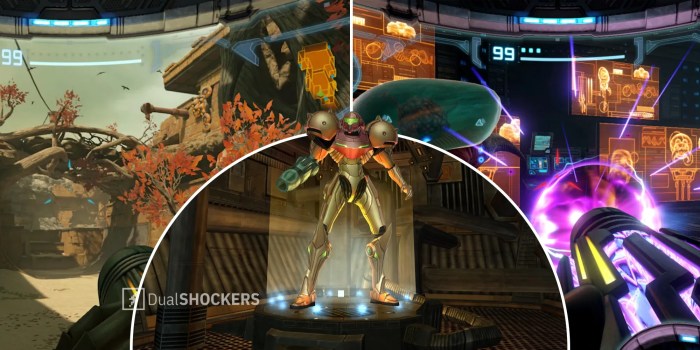
Step into the exhilarating world of First-Person Shooter (FPS) Online Games where every shot counts, and every move can make or break your victory. Get ready to dive into a thrilling adventure filled with intense gameplay and strategic challenges that will keep you on the edge of your seat!
From defining the essence of FPS games to exploring their evolution and multiplayer experiences, this topic is your gateway to the heart-pounding realm of online shooting games. So lock and load, because the action is about to begin!
Introduction to First-Person Shooter (FPS) Online Games
First-Person Shooter (FPS) games are a popular genre of online gaming where players experience the game environment through the eyes of the character they are controlling. The main gameplay usually involves using firearms to eliminate enemies and achieve objectives in a virtual world.
These games have become immensely popular among online gamers due to their fast-paced action, competitive nature, and immersive gameplay. The adrenaline rush of engaging in intense battles, the strategic thinking required to outsmart opponents, and the sense of accomplishment from improving skills and winning matches all contribute to the appeal of FPS games.
Evolution of FPS Games
From their early beginnings in the 1990s with titles like Doom and Quake, FPS games have come a long way in terms of graphics, gameplay mechanics, and online multiplayer capabilities. The evolution of FPS games has seen advancements in realism, customization options, and the integration of complex narratives into the gameplay experience.
Modern-day FPS titles like Call of Duty, Battlefield, and Overwatch continue to push the boundaries of the genre with stunning visuals, innovative game modes, and robust online communities. The competitive esports scene surrounding FPS games has also grown significantly, with professional players and teams competing in high-stakes tournaments and leagues.
Mechanics of FPS Online Games
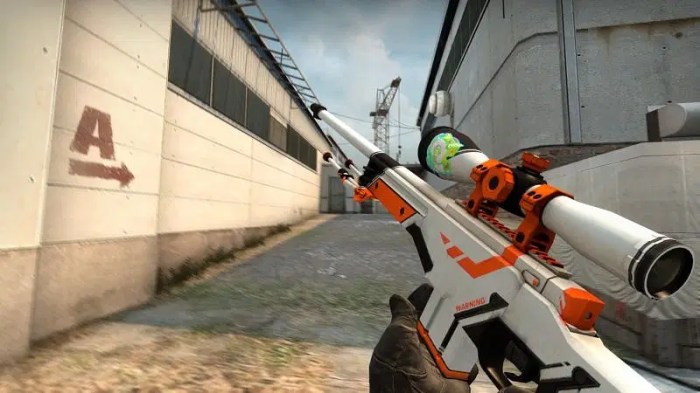
First-person shooter (FPS) online games are known for their fast-paced action and intense gameplay. To succeed in these games, players must master a combination of accuracy, reflexes, and strategy. Let’s take a closer look at the key mechanics that make FPS games so engaging.
Gameplay Mechanics in FPS Games
In FPS games, players control a character from a first-person perspective and navigate through virtual environments while engaging in combat with other players. The following are some of the gameplay mechanics commonly found in FPS games:
- Movement: Players must master movement mechanics such as running, jumping, crouching, and strafing to outmaneuver opponents and avoid enemy fire.
- Shooting: The core mechanic of FPS games is shooting. Players must aim accurately and quickly to eliminate enemies while managing ammunition and reloading their weapons.
- Health and Armor: Players have health and armor points that deplete when taking damage. They must collect health packs and armor to stay alive and withstand enemy attacks.
- Objectives: Many FPS games include various objectives such as capturing points, planting bombs, or escorting payloads. Team coordination and strategy are crucial for completing these objectives.
Importance of Accuracy, Reflexes, and Strategy
In FPS games, accuracy, reflexes, and strategy play vital roles in determining a player’s success. Here’s why each of these elements is crucial:
- Accuracy: Precise aiming is essential for landing shots on target and taking down enemies efficiently. Players need to practice their aim to become more effective in combat.
- Reflexes: Quick reflexes are necessary to react to sudden threats, dodge incoming fire, and make split-second decisions during intense firefights. Fast reflexes can give players a competitive edge.
- Strategy: Developing a solid strategy, such as choosing the right weapons for the situation, coordinating with teammates, and anticipating enemy movements, is key to outsmarting opponents and securing victory.
Types of Weapons in FPS Games
In FPS games, players have access to a wide range of weapons, each with its own strengths and weaknesses. Here are some common types of weapons found in FPS games:
- Assault Rifles: Versatile weapons suitable for medium-range combat with a good balance of damage, accuracy, and fire rate.
- Shotguns: Powerful close-range weapons that excel in dealing massive damage at short distances but are less effective at longer ranges.
- Sniper Rifles: Long-range precision weapons ideal for picking off enemies from a distance with high damage output but slower rate of fire.
- Submachine Guns: Fast-firing weapons that are effective in close-quarters combat but may lack accuracy at longer ranges.
- Explosives: Grenades, rocket launchers, and other explosive weapons can deal area damage and clear out groups of enemies but require careful aiming and timing.
Multiplayer Experience in FPS Online Games
When it comes to First-Person Shooter (FPS) Online Games, the multiplayer experience is often a key aspect that draws players in. The ability to compete against or team up with other players from around the world adds a whole new level of excitement and challenge to the game. Let’s dive into the different aspects of multiplayer gameplay in FPS online games.
Multiplayer Modes in FPS Games
In FPS games, there are several multiplayer modes available to cater to different playstyles and preferences. Some of the most common modes include:
- Deathmatch: Players compete against each other to score the most kills within a set time limit.
- Team Deathmatch: Players are divided into teams and compete to score the most kills collectively.
- Capture the Flag: Teams compete to capture the opposing team’s flag and bring it back to their own base.
- Domination: Teams battle to control specific points on the map to earn points.
Role of Teamwork and Coordination
Teamwork and coordination play a crucial role in multiplayer FPS matches. Players must communicate effectively, strategize together, and coordinate their actions to outsmart the opposing team. Without teamwork, it can be challenging to achieve objectives and secure victory in multiplayer matches.
Communication is key in multiplayer FPS games, whether it’s coordinating strategies, calling out enemy positions, or providing cover fire for teammates.
Popular FPS Games with Engaging Multiplayer Experiences
There are several FPS games known for their engaging multiplayer experiences that have garnered a large player base over the years. Some popular examples include:
- Call of Duty: Known for its fast-paced gameplay and variety of multiplayer modes.
- Counter-Strike: Global Offensive (CS:GO): A classic FPS game with a strong focus on teamwork and tactical gameplay.
- Overwatch: A team-based FPS game where players choose from a diverse roster of heroes with unique abilities to achieve objectives.
- Rainbow Six Siege: Emphasizes strategic gameplay and teamwork as players engage in tactical combat scenarios.
Development of FPS Online Games
Developing a first-person shooter (FPS) game for online play involves a complex and intricate process that requires attention to detail and a deep understanding of both game design and online technology.
Technological advancements have played a significant role in shaping the FPS gaming industry, pushing developers to constantly innovate and improve the gaming experience for players around the world.
Evolution of FPS Game Development
Over the years, the development of FPS online games has evolved from simple, pixelated graphics to realistic 3D environments that immerse players in the game world.
- Engine Development: Game engines like Unreal Engine and Unity have revolutionized the way FPS games are developed, providing developers with powerful tools to create stunning graphics and immersive gameplay.
- Networking Technology: The advancement of networking technology has enabled seamless online multiplayer experiences, allowing players to connect and compete in real-time from different parts of the world.
- Artificial Intelligence: AI technology has improved the behavior of non-player characters (NPCs) in FPS games, making them more challenging and realistic for players to interact with.
Challenges Faced by Developers
Developing FPS online games comes with its own set of challenges that developers must overcome to create a successful and engaging gaming experience for players.
- Optimization: Ensuring that the game runs smoothly on a variety of hardware configurations can be a challenge, especially when dealing with high-end graphics and complex gameplay mechanics.
- Balancing Gameplay: Striking the right balance between realism and fun gameplay is crucial in FPS games, as developers need to create a challenging experience without overwhelming players.
- Community Management: Building and maintaining a strong community of players is essential for the success of an FPS online game, requiring developers to engage with their audience and listen to their feedback.
Community and Esports in FPS Online Games
First-person shooter (FPS) online games thrive on the sense of community they foster among players. The interaction between gamers, whether through in-game chat or dedicated forums, adds a social element to the gaming experience that enhances overall enjoyment.FPS games have played a significant role in the rise of esports, thanks to their competitive nature and skill-based gameplay. The fast-paced action and strategic depth of FPS titles make them ideal for organized competitive play, leading to the growth of professional gaming leagues and tournaments.
Impact of FPS Esports Tournaments
FPS esports tournaments have become major events in the gaming industry, attracting millions of viewers and offering substantial prize pools. Notable tournaments like the Call of Duty League, Overwatch League, and Counter-Strike: Global Offensive Majors have become staples in the esports calendar, showcasing top-tier talent and thrilling gameplay.
- These tournaments not only provide a platform for players to showcase their skills but also contribute to the overall growth and legitimacy of esports as a mainstream form of entertainment.
- The competitive nature of FPS games in esports has led to the development of professional teams, sponsorships, and a dedicated fan base that follows the scene closely.
- Furthermore, the success of FPS esports tournaments has attracted investment from major companies and broadcasters, further solidifying the position of FPS games in the competitive gaming landscape.
ONLINE GAMES SOCCER
Online soccer games have gained immense popularity among gamers worldwide, allowing players to experience the thrill of soccer matches virtually. These games offer a realistic simulation of the sport, enabling users to control their favorite teams and players in a digital environment.
Platforms for Online Soccer Games
Online soccer games are available on various platforms, including PC, gaming consoles such as PlayStation and Xbox, as well as mobile devices like smartphones and tablets. Players can choose their preferred platform based on convenience and accessibility to enjoy immersive soccer gameplay.
Gameplay Mechanics in Online Soccer Games
- Realistic ball physics and player movements mimic the dynamics of a real soccer match.
- Players can control tactics, formations, and strategies to outsmart opponents.
- Online multiplayer modes allow users to compete against friends or other players globally.
- In-game challenges and tournaments provide opportunities to showcase skills and win rewards.
Comparison to Real-life Soccer Matches
- Online soccer games offer a faster-paced gameplay experience compared to real-life matches.
- Players have more control over the outcome of the game, influencing every pass, shot, and tackle.
- Virtual matches can be customized with different rules and settings, adding a unique twist to the traditional soccer experience.
ONLINE GAMES DEFINITION
Online games refer to video games that are played over the internet, allowing players to interact with each other in a virtual environment. These games can be accessed on various devices such as computers, consoles, and smartphones. Unlike offline games, online games require an internet connection to connect players from different locations around the world.
Genres of Online Games
Online games come in a wide variety of genres to cater to different preferences of players. Some of the popular genres include:
- First-Person Shooter (FPS)
- Massively Multiplayer Online Role-Playing Games (MMORPGs)
- Real-Time Strategy (RTS)
- Battle Royale
- Sports
- Simulation
Each genre offers a unique gaming experience and gameplay mechanics that appeal to different types of players.
Benefits and Drawbacks of Playing Games Online
- Benefits:
- Ability to connect and play with friends and other players globally
- Constant updates and new content to keep the game fresh
- Opportunity to participate in esports tournaments and competitions
- Enhanced social interactions and teamwork skills
- Drawbacks:
- Dependence on stable internet connection for uninterrupted gameplay
- Potential exposure to toxic behavior and online harassment
- Time-consuming nature of online games leading to addiction and neglect of real-life responsibilities
- Potential for cheating and hacking in online multiplayer games
Overall, online games offer a dynamic and engaging gaming experience but also come with certain challenges and risks that players should be aware of.
ONLINE GAMES BINGO
Online bingo games have gained immense popularity in recent years, attracting a wide range of audiences looking for a fun and social gaming experience. The rules and gameplay of online bingo are simple, making it easy for players of all ages to enjoy.
Rules and Gameplay of Online Bingo Games
Online bingo follows the same basic rules as traditional bingo played in bingo halls. Players receive a card with a grid of numbers, and a caller announces numbers randomly. The goal is to mark off numbers on the card to achieve a specific pattern, such as a straight line or blackout. The first player to complete the pattern wins the game.
- Players can purchase multiple cards to increase their chances of winning.
- Online bingo games often include features like auto-daub, which automatically marks off called numbers on the card.
- Some online bingo games offer bonus rounds and special prizes to keep players engaged.
Social Aspects of Playing Bingo Online
Playing bingo online allows players to interact with each other through chat rooms and virtual communities. This social aspect adds an extra dimension to the game, creating a sense of camaraderie among players even if they are miles apart.
- Players can chat with each other, share tips, and celebrate wins together.
- Online bingo games often host special events and tournaments where players can compete against each other.
- The social aspect of online bingo appeals to those looking for a fun and interactive gaming experience.
Popularity of Online Bingo
Online bingo has become increasingly popular due to its accessibility and the wide range of audiences it attracts. From young adults to senior citizens, online bingo appeals to players of all ages looking for a relaxed and entertaining gaming experience.
- Many online bingo sites offer a variety of game options, themes, and prizes to cater to different player preferences.
- The convenience of playing bingo from the comfort of home has contributed to its widespread popularity.
- Online bingo’s social aspect and community-building opportunities also play a significant role in its appeal to players around the world.
ONLINE GAME DEVELOPMENT
Online game development is a complex and intricate process that involves various stages and requires a combination of creativity, technical skills, and teamwork. From the initial concept to the final release, developers go through a series of key stages to bring their vision to life.
Overview of Game Development Process
Developing online games typically involves the following key stages:
- Conceptualization: This stage involves brainstorming ideas, creating a game design document, and outlining the core mechanics and features of the game.
- Pre-production: Developers focus on creating prototypes, designing levels, characters, and environments, and establishing the overall look and feel of the game.
- Production: This is where the actual development of the game takes place, including coding, artwork creation, sound design, and integration of various elements.
- Testing: Quality assurance and testing are essential to identify bugs, glitches, and gameplay issues that need to be addressed before release.
- Launch: Once the game is polished and ready, it is launched to the public through online platforms or distribution channels.
Technologies and Tools Used in Online Game Development
Online game developers utilize a wide range of technologies and tools to create immersive gaming experiences. Some of the common technologies and tools include:
- Game engines like Unity, Unreal Engine, or CryEngine, which provide a framework for game development and streamline the process.
- Programming languages such as C++, C#, or JavaScript, used for coding game logic, AI, and interactions.
- Graphics software like Adobe Photoshop, Blender, or Maya, for creating 2D and 3D assets for the game.
- Version control systems like Git or SVN, to manage and track changes in the game code and assets.
- Online services for networking, matchmaking, and player interactions, to enable multiplayer functionality in online games.
ONLINE GAME FOOTBALL
Online football games offer players the opportunity to experience the thrill of playing football matches virtually, right from the comfort of their own homes. These games aim to simulate the excitement and intensity of real-life football games, allowing players to control their favorite teams and players in a digital environment.
Comparison of Different Online Football Games
- FIFA series: Developed by EA Sports, FIFA is known for its realistic gameplay, licensed teams, and player likenesses. It offers a comprehensive football gaming experience with modes like Career Mode, Ultimate Team, and Online Seasons.
- PES (Pro Evolution Soccer): Developed by Konami, PES focuses on gameplay mechanics and player control, offering a more technical and strategic approach to football gaming. It features realistic player movements and tactical options.
- Rocket League: While not a traditional football game, Rocket League combines elements of football with vehicular gameplay. Players control rocket-powered cars to score goals in a fast-paced, action-packed environment.
Competitive Scene and Community in Online Football Gaming
Online football gaming has a vibrant competitive scene, with tournaments, leagues, and online matchmaking allowing players to test their skills against others. Esports organizations and professional players compete in events like the FIFA eWorld Cup, showcasing top-tier gameplay and strategies.The community around online football gaming is passionate and dedicated, with forums, social media groups, and online communities where players discuss tactics, share gameplay highlights, and organize friendly matches.
These platforms foster a sense of camaraderie among football gaming enthusiasts, creating a vibrant and engaging environment for players to connect and compete.
Final Thoughts
As we wrap up our journey through the realm of First-Person Shooter (FPS) Online Games, remember to keep your reflexes sharp, your aim true, and your competitive spirit alive. Whether you’re a seasoned player or a newcomer to the FPS scene, there’s always a new challenge waiting for you in the fast-paced world of online shooting games. So gear up, team up, and get ready to conquer the virtual battlefield!
General Inquiries
What makes FPS games so popular among online gamers?
FPS games offer a thrilling mix of action, strategy, and competition that keeps players engaged and coming back for more.
What are some key gameplay mechanics in FPS games?
Common gameplay mechanics include first-person perspective, shooting mechanics, weapon customization, and fast-paced combat.
How do FPS games contribute to the growth of esports?
FPS games have paved the way for competitive gaming events, attracting a global audience of esports enthusiasts and professional players.